
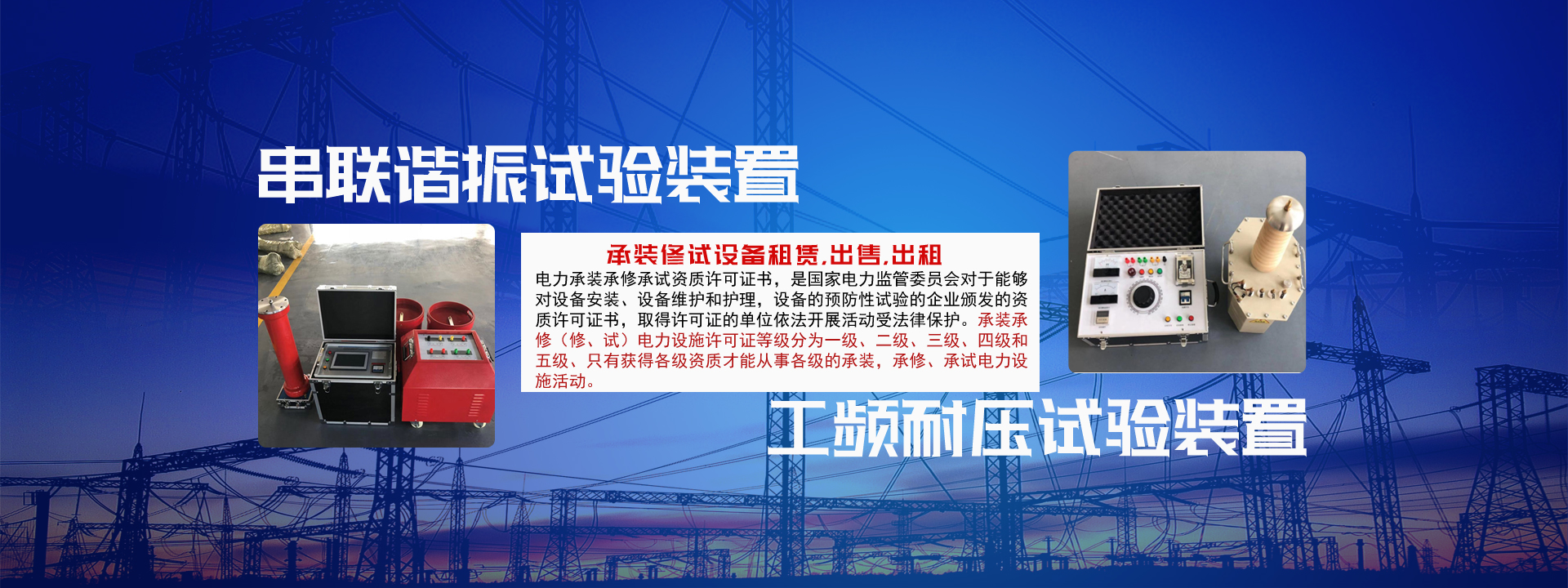
Transformer Partial Discharge Tester: Principles, Usage, and Maintenance
A transformer partial discharge tester is an instrument specifically designed to detect partial discharge phenomena inside transformers, effectively assessing the insulation condition and potential fault risks of transformers. Below is an outline of an article about the transformer partial discharge tester:
Transformer Partial Discharge Tester: Principles, Usage, and Maintenance
1. Introduction
- Background: The safe and stable operation of the power system depends on the good condition of power equipment, among which transformers, as core components, are particularly important for their health status.
- Importance of Partial Discharge Testing: Partial discharge testing can help technicians accurately assess the insulation condition of transformers, which is crucial for preventing faults and accidents in the power system.
- Research Purpose: This article aims to introduce the working principles, usage methods, and applications of transformer partial discharge testers in power system maintenance.
2. Working Principle
- Technical Features: The transformer partial discharge tester adopts advanced signal processing technology and multiple detection methods, such as ultrasonic, transient earth voltage (TEV), and ultra-high frequency (UHF).
- Signal Acquisition: Sensors installed on the transformer casing or other parts capture signals such as sound waves and electromagnetic waves generated by partial discharge.
- Data Analysis: Built-in software is used for data analysis to identify the type and location of partial discharge.
- Result Display: The insulation performance is evaluated based on the test results.
3. Usage Method
- Equipment Connection: Correctly connect the partial discharge tester to the transformer under test.
- Parameter Setting: Set detection mode, frequency range, and other parameters as needed.
- Start Test: Start the equipment and begin partial discharge detection.
- Monitoring and Recording: Monitor and record the transformer's response during the test.
- Result Interpretation: Judge the insulation condition of the transformer based on the test results.
4. Technical Parameters
- Detection Range: Applicable to transformers of different voltage levels.
- Sensor Types: Ultrasonic sensors, transient earth voltage sensors, ultra-high frequency sensors, etc.
- Display Interface: Equipped with a color LCD screen that can display graphics, waveforms, and other information.
- Data Types: Discharge quantity, frequency, waveform, etc.
5. Maintenance and Care
- Daily Maintenance: Keep the instrument clean and dry, and avoid prolonged exposure to extreme temperatures or humidity.
- Regular Calibration: Calibrate at intervals recommended by the manufacturer to ensure measurement accuracy.
- Storage Conditions: When not in use, store in a dry and ventilated place to avoid moisture.
- Precautions: Follow the safety guidelines in the operation manual to avoid safety accidents in high-voltage environments.
6. Application Case
- Case Description: Introduce a specific case of using a transformer partial discharge tester for detection, including detection background, process, and results.
- Result Analysis: Analyze based on the detection results, pointing out existing problems and possible causes.
- Improvement Suggestions: Propose improvement measures or maintenance suggestions to enhance equipment performance.
7. Conclusion and Outlook
- Summary: Review the importance and implementation process of the transformer partial discharge tester.
- Future Trends: Discuss the development trends of transformer partial discharge testing technology, such as intelligence and miniaturization.
8. References
- Related Literature: List the relevant academic papers and technical reports cited in this article, providing readers with resources for further learning.
Please adjust or supplement the above outline according to your specific needs. If you need more detailed content or have other specific requirements, please let me know.