
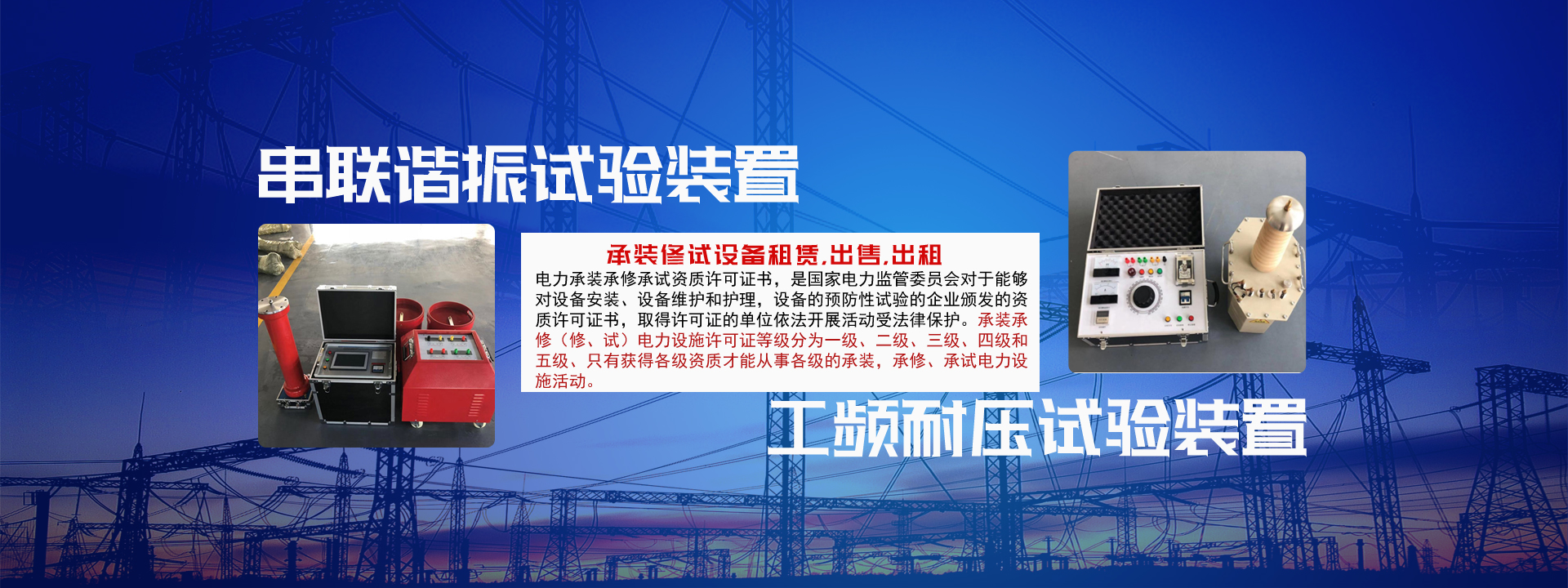
A microcomputer relay protection tester is a professional device used to test the performance of relay protection devices in power systems. Such testers are typically used to verify whether relay protection equipment can correctly respond to various fault conditions, ensuring the safe and stable operation of the power system. Below is an outline of an article about microcomputer relay protection testers:
Microcomputer Relay Protection Tester: Ensuring Safe and Stable Operation of Power Systems
Introduction
Relay protection devices in power systems are key components ensuring the safe and stable operation of the power grid. As a professional testing tool, the microcomputer relay protection tester can simulate various fault conditions to detect and verify the functionality and performance of relay protection devices, ensuring they can act correctly when actual faults occur.
Device Features
Multifunctionality: Capable of simulating multiple fault types, including short circuits, overcurrent, undervoltage, etc.
High-precision output: Provides stable voltage and current outputs, ensuring the accuracy of test results.
Automated testing: Built-in microprocessor control system supports automated test procedures.
Data recording: Can record key data during the testing process for later analysis.
Graphical user interface: Equipped with an intuitive touchscreen or graphical interface for easy setup and operation.
Portable design: Lightweight and portable, suitable for on-site testing.
Working Principle
The microcomputer relay protection tester tests the response of relay protection devices by simulating various fault conditions in the power system, such as short circuits, overloads, undervoltage, etc. The device can output precise voltage and current signals and can automatically change the magnitude and duration of these signals according to preset test schemes. During the testing process, the device records the action time and method of the relay protection device to evaluate its performance.
Application Scenarios
Acceptance of new equipment: Testing before new relay protection devices are put into use to ensure they meet design requirements.
Regular maintenance: Periodically testing installed relay protection devices to ensure they are always in good working condition.
Fault diagnosis: When faults occur in the power system, testing is used to locate and resolve issues with relay protection devices.
Technical training: Providing practical operation opportunities for power technical personnel to improve their skills.
Use Case
After installing a batch of new relay protection devices, a power company conducted comprehensive tests using a microcomputer relay protection tester. By simulating various fault conditions, the tester successfully verified that these devices could act correctly as expected, ensuring the safe operation of the power system.
Conclusion
The microcomputer relay protection tester plays an important role in the maintenance and management of power systems. Through regular testing and verification, not only can the effectiveness of relay protection devices be ensured, but the overall reliability of the power system can also be improved, providing users with more stable and reliable power supply.
Please note that the above content is an example constructed based on general descriptions. If you need technical details about a specific brand or model of microcomputer relay protection tester, please provide more information so that more detailed and accurate content can be provided.