
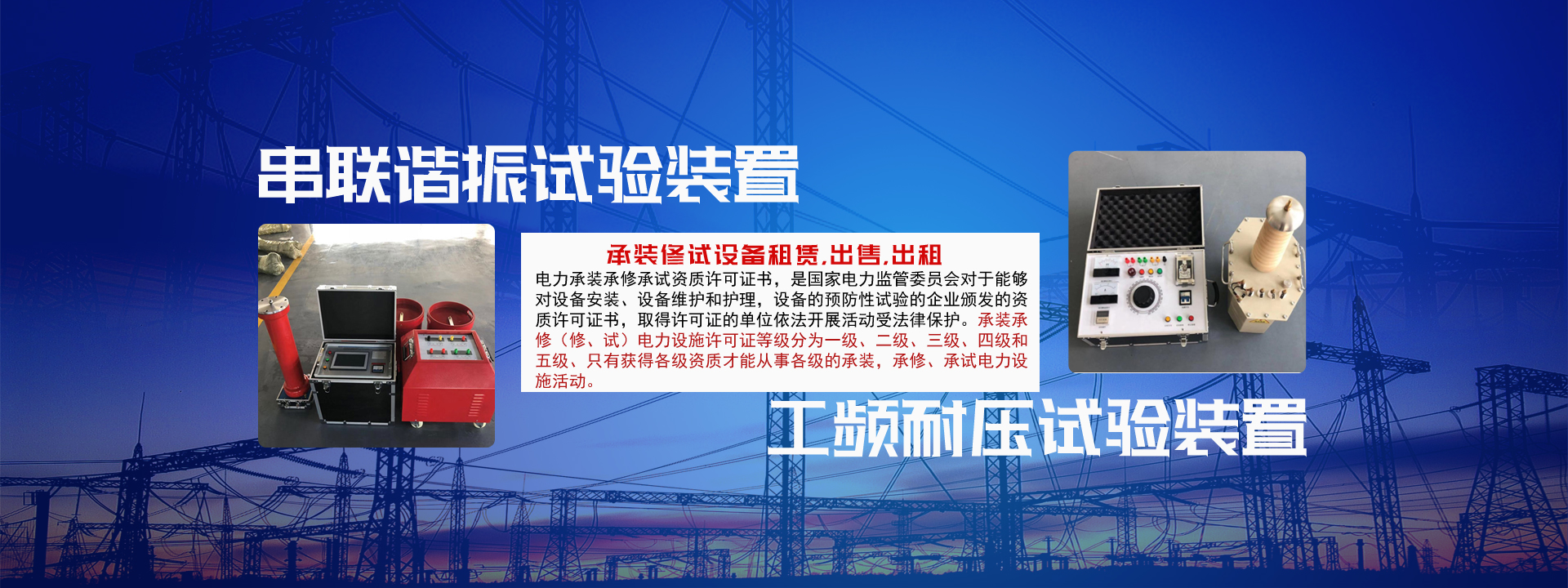
A transformer characteristic test bench is a specialized device used to test various electrical characteristics of transformers. It can comprehensively evaluate transformer performance, including no-load tests, short-circuit tests, ratio tests, polarity tests, temperature rise tests, and more. Through these tests, the quality and reliability of transformers during design, manufacturing, and use can be ensured. The following is a detailed introduction to the transformer characteristic test bench:
Working Principle
The transformer characteristic test bench measures electrical parameters such as voltage, current, power, and losses under various working conditions by applying different voltages and currents. The test bench typically includes the following parts:
Power supply system: Provides the power required for testing, including power frequency power and adjustable power.
Measurement system: Used to measure parameters such as voltage, current, and power.
Control system: Used to control the testing process, including automatic and manual modes.
Display system: Used to display test results and the operation interface.
Protection system: Used to protect test equipment and personnel safety, including overcurrent protection, overheat protection, short-circuit protection, etc.
Main Functions
No-load test: Measures the voltage, current, and losses of the transformer under no-load conditions to evaluate core losses and excitation characteristics.
Short-circuit test: Measures the voltage, current, and losses of the transformer under short-circuit conditions to evaluate winding impedance and copper losses.
Ratio test: Measures the transformer's turns ratio, i.e., the ratio of primary to secondary voltage, to ensure accuracy.
Polarity test: Determines the transformer's polarity to ensure correct connection methods.
Temperature rise test: Measures the temperature rise of the transformer under full-load conditions to evaluate the effectiveness of the cooling system.
Insulation resistance test: Measures the transformer's insulation resistance to evaluate insulation performance.
Partial discharge test: Measures the partial discharge level of the transformer to evaluate the integrity of the insulation system.
Main Features
High precision: Uses high-precision sensors and measuring instruments to ensure accurate test results.
Multi-function: Capable of performing various transformer tests to meet different needs.
Automation: Supports automatic test modes, reducing manual intervention and improving test efficiency.
Data recording: Built-in memory can save a large amount of test data for subsequent analysis.
Clear display: Typically equipped with a large LCD screen to display test results and operation menus.
Protection functions: Equipped with multiple protection functions to ensure equipment and personnel safety.
Portable design: Some models are designed to be portable for field use.
Communication interfaces: Typically equipped with USB, RS232, and other communication interfaces, allowing connection to computers or other devices for data transmission and remote control.
Application Fields
Power systems: Used for factory testing, field testing, and maintenance of transformers to ensure performance and reliability.
Electrical equipment manufacturing: Used for quality control on transformer production lines to ensure products meet standards.
Electrical maintenance: Used for transformer repair and fault diagnosis to identify causes of performance degradation.
Scientific research: Used for transformer performance testing in scientific research to validate theoretical models.
Education and training: Used for teaching and training in electrical engineering to help students understand transformer testing methods and applications.
Usage Precautions
Safe operation: Strictly follow the equipment manual to ensure personnel and equipment safety.
Environmental requirements: Use in a dry, well-ventilated environment, avoiding humidity and high temperatures.
Regular calibration: Regularly calibrate the test bench to ensure accurate measurement results.
Load matching: Ensure the tested transformer matches the test bench's range to avoid exceeding the range.
Cleaning and maintenance: Regularly clean the test bench's probes and connectors to ensure good contact.
Purchasing Suggestions
Accuracy requirements: Choose the appropriate accuracy level based on actual needs to ensure accurate test results.
Function configuration: Choose a test bench with appropriate functions based on testing needs, such as data storage and communication interfaces.
Brand and quality: Choose well-known brands and high-quality products to ensure long-term stable operation.
Price and service: Consider price and after-sales service comprehensively to choose a cost-effective product.
Common Problems and Solutions
Inaccurate test results: Check if the test bench is calibrated, if probes and connectors are in good contact, and if the tested transformer is clean.
Equipment overheating: Check if the cooling system is normal, if there is blockage or dirt, and ensure good ventilation.
Communication failure: Check if communication cables are correctly connected and if drivers are properly installed.
If you need to purchase or learn more about transformer characteristic test benches, it is recommended to contact professional suppliers or manufacturers, who can provide more detailed technical parameters and application suggestions. I hope this information is helpful to you!