
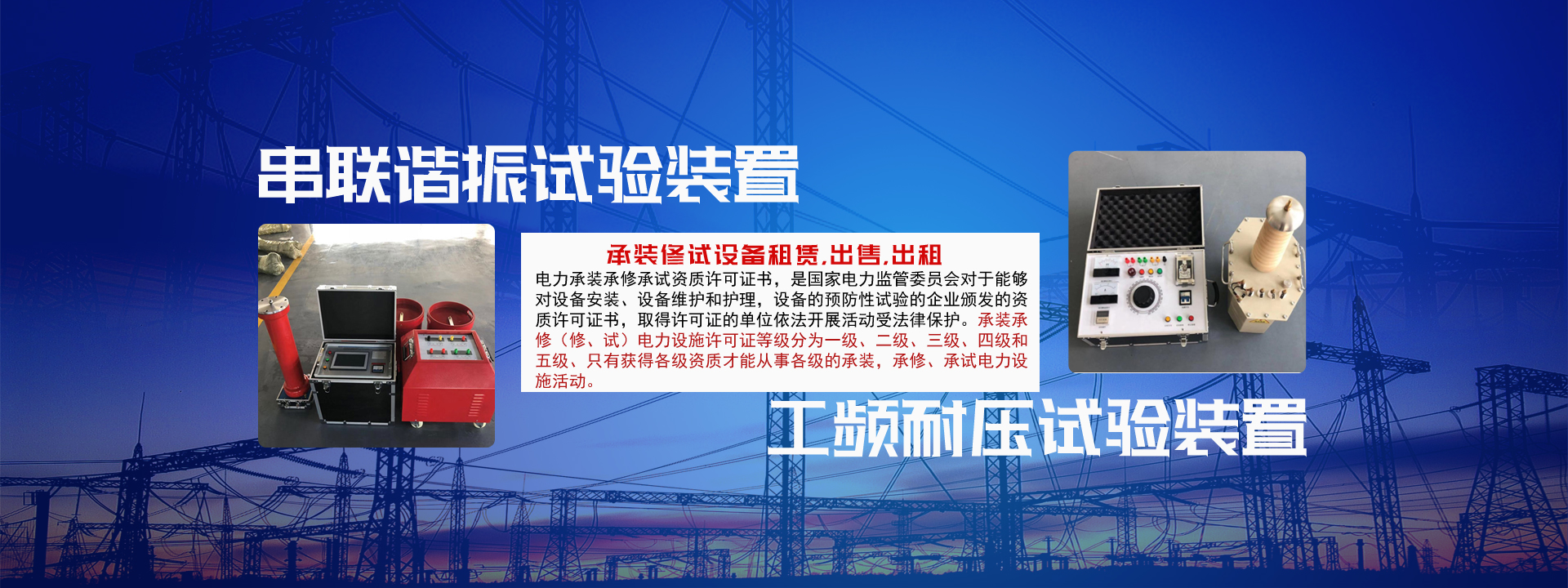
In the fields of modern power systems and industrial automation, the electrical characteristics console, as a multifunctional integrated device, plays a crucial role. By precisely measuring and flexibly controlling electrical parameters, the electrical characteristics console helps engineers and technicians ensure that equipment operates in optimal condition, while also improving the overall efficiency and safety of the system.
Functions of the Electrical Characteristics Console
Multi-parameter measurement: Capable of simultaneously measuring various electrical parameters such as voltage, current, power, and frequency.
Automatic control: Achieves automated control of electrical equipment through built-in controllers or by connecting to external control systems.
Data recording and analysis: Records measurement data and analyzes it through built-in or external software to help users understand equipment operating status.
Fault diagnosis: Provides real-time monitoring functions to promptly identify potential issues in electrical equipment.
Compatibility: Supports multiple interface standards, facilitating connection with different types of equipment.
Working Principle
The electrical characteristics console typically consists of the following parts:
Measurement module: Includes voltmeters, ammeters, power meters, etc., used to obtain values of electrical parameters.
Control unit: Through PLC (Programmable Logic Controller) or other forms of controllers, it achieves operational control of electrical equipment.
Communication interface: Provides a way to connect with external systems (such as SCADA systems) for remote monitoring and data exchange.
Display and operation panel: Facilitates users to view current status and perform manual control operations.
Application Scenarios
Power systems: Used in places such as substations and power plants to monitor and control the operating status of the power grid.
Industrial automation: In production lines, the console is used to adjust and monitor the working conditions of equipment such as motors and sensors.
Scientific research experiments: In laboratories, used to test the performance of new electrical equipment.
Education and training: As a teaching tool, it helps students understand and master the working principles of electrical equipment.
Practical Operation
System configuration: Select appropriate measurement modules and control units based on specific requirements.
Connecting equipment: Connect the console to the equipment under test or control.
Parameter setting: Set relevant parameters according to testing or control requirements.
Running tests: Start the control system to perform measurement or control operations.
Data collection and analysis: Record test data and analyze it to evaluate equipment performance.
Precautions
Safety regulations: When operating the console, relevant safety operating procedures must be followed to avoid electrical accidents.
Maintenance: Regularly maintain the console to ensure all components work properly.
Environmental adaptation: Pay attention to conditions such as temperature and humidity of the usage environment to prevent equipment damage.
Conclusion
The electrical characteristics console, through its powerful measurement and control functions, has become an indispensable tool in electrical engineering. It not only helps technicians precisely control electrical equipment but also plays an important role in fault diagnosis and performance optimization, thereby enhancing the reliability and efficiency of the entire system.
Outlook
With the development of technologies such as the Internet of Things (IoT) and big data analytics, future electrical characteristics consoles will become more intelligent and networked, enabling remote monitoring and intelligent decision-making, further promoting the advancement of power systems and industrial automation technology.
This article outline provides a basic introduction to the electrical characteristics console. When writing a detailed article, more content can be added based on specific application scenarios and technical details, such as specific operating guidelines and troubleshooting tips.