
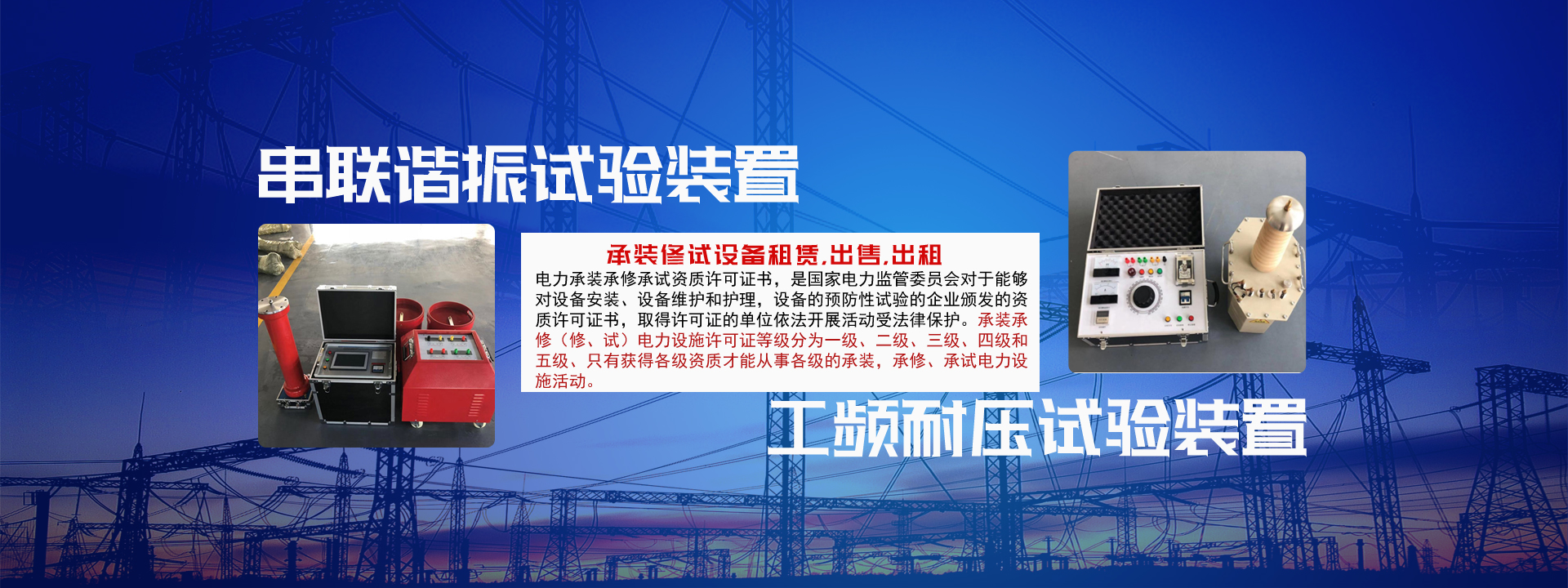
An Electrical Characteristics Control Panel is a control device used to monitor and adjust the electrical characteristics of power systems or equipment. This type of console is commonly used in the management and maintenance of power systems, especially in places such as power plants, substations, and industrial automation control centers, to ensure the stable operation of the power system. The following is a detailed introduction to the electrical characteristics control console:
Main Functions
Monitoring and Display: Real-time monitoring of various electrical parameters of the power system, such as voltage, current, frequency, power, etc., and displaying them intuitively on a screen.
Alarm and Protection: When electrical parameters are detected to exceed preset safety ranges, it can automatically trigger alarms and execute corresponding protective actions, such as disconnecting the power supply or starting backup equipment.
Remote Control: Allows operators to remotely adjust the operating parameters of the power system through the console, such as adjusting generator output power, switching loads, etc.
Data Recording and Analysis: Records the operating data of the power system for subsequent analysis, helping to diagnose the root cause of problems or optimize system performance.
Automated Management: By integrating automated control systems, it achieves automated management of the power system, reducing the need for manual intervention.
Components
An electrical characteristics control console typically consists of the following parts:
Input/Output Interfaces: Used to connect sensors, actuators, and other external devices.
Central Processing Unit: Responsible for processing data from various sensors and making decisions based on preset logic.
Display Screen: Used to display real-time data and system status.
Keyboard/Touchscreen: Operators can use these input devices to control the operation of the system.
Communication Module: Supports data exchange with other control systems or computer networks.
Storage Unit: Saves system configuration, historical data, and program code.
Application Scenarios
Electrical characteristics control consoles are widely used in multiple fields:
Power Systems: Used to monitor the operating status of power facilities such as power plants and substations.
Industrial Automation: In factory automated production lines, used to control the electrical characteristics of equipment such as motors and sensors.
Transportation: In industries such as railways and aviation, used to monitor and control the performance of electric traction systems.
Scientific Research Experiments: In laboratory environments, used to study the performance characteristics of power equipment and improvement solutions.
Usage Precautions
Safety: Before operating any power control equipment, ensure that you understand its working principles and follow all safety regulations.
Accuracy: Regularly calibrate the measuring instruments on the console to ensure accurate readings.
Maintenance: Regularly maintain the console, clean dust, check that connections are secure, and ensure the equipment is in optimal working condition.
The electrical characteristics control console is a key component of power system management. Through it, technical personnel can better understand and control the operating status of the power system, thereby improving the reliability, safety, and efficiency of the system.