
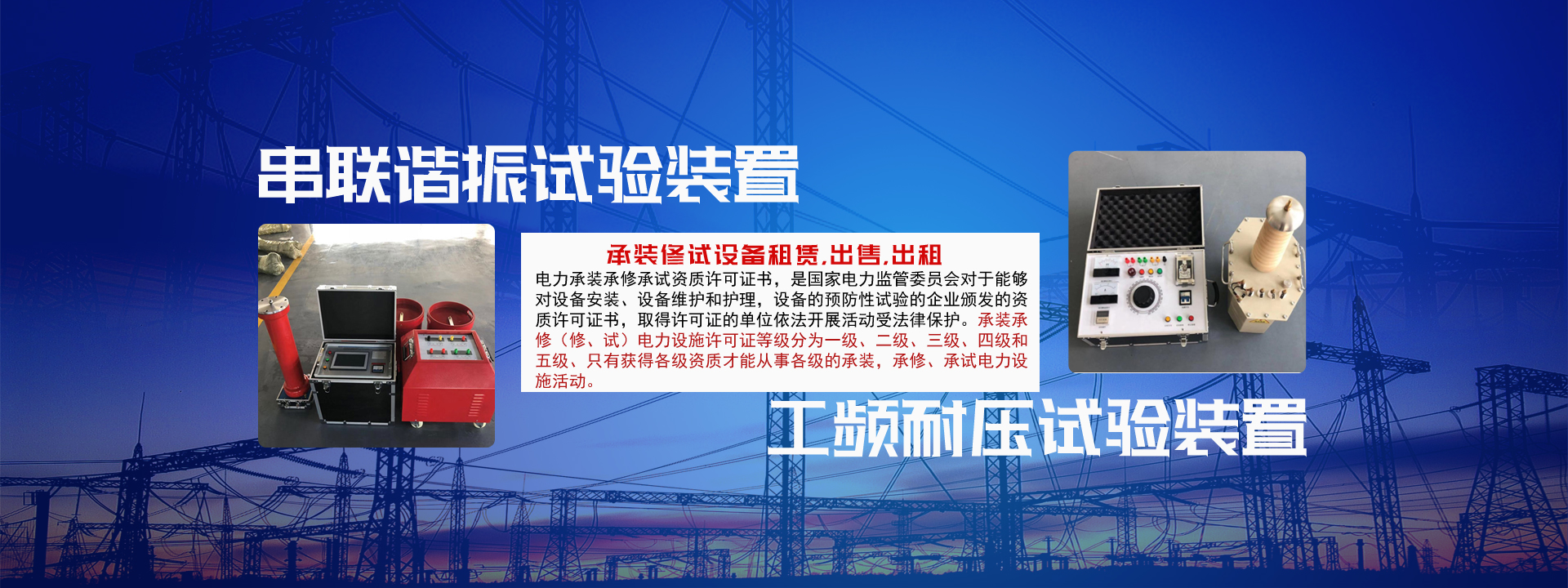
Transformer Characteristic Test Bench: Key Equipment for Ensuring Stable Operation of Power Systems
Introduction
With the continuous growth of electricity demand and the expansion of the power grid, transformers, as indispensable core components in power transmission and distribution networks, have their performance directly related to the safety and stability of the entire system. To ensure long-term efficient operation of transformers, regular characteristic testing is particularly important. The transformer characteristic test bench is a professional testing device designed to meet this need, capable of comprehensively evaluating various electrical parameters of transformers, helping maintenance personnel detect potential issues in a timely manner and ensuring the normal operation of the power system.
I. Importance of Transformer Characteristic Testing
Transformers are devices used to change the magnitude of AC voltage, playing crucial roles in stepping up and stepping down voltage in power systems. Over time, due to environmental factors or long-term use, issues such as insulation aging and winding deformation may occur inside transformers. If these issues are not addressed promptly, they can severely affect the efficiency of transformers and even lead to safety accidents. By using the transformer characteristic test bench for regular inspections, the above risks can be effectively prevented, and:
Enhance safety: Ensure transformers are in good condition, avoiding power outages caused by faults.
Optimize performance: Through precise measurement of various parameters, help adjust transformer operating conditions to optimal levels.
Extend lifespan: Early detection of problems and taking corresponding measures can significantly slow down the aging process and extend service life.
II. Functional Features of Transformer Characteristic Test Bench
(1) Multi-item Comprehensive Testing Capability
No-load test: Measures losses and excitation current of transformers under no-load conditions to evaluate the quality of the iron core.
Short-circuit (load) test: Determines key indicators such as losses, impedance voltage, and short-circuit impedance under rated current.
Ratio test: Verifies whether the actual transformation ratio meets design requirements, ensuring voltage conversion accuracy.
Polarity test: Confirms the correct connection direction between primary and secondary coils, preventing damage caused by incorrect wiring.
(2) High-precision Measurement Technology
Advanced sensor technology and digital signal processing algorithms are adopted to achieve high-precision measurement of various electrical parameters. Additionally, a high-definition display screen is equipped for operators to view test results in real-time.
(3) High Degree of Automation
Modern transformer characteristic test benches typically feature highly automated operation processes, from setting test parameters to executing tests and generating reports, almost completed with one click, greatly improving work efficiency and reducing human errors.
(4) Powerful Data Management Functions
Built-in large-capacity storage units support the storage, query, and export of massive test data; in addition, they are equipped with USB interfaces, RS232 serial ports, and other data transmission methods, facilitating connection with other computer systems for data analysis and management.
III. Application Scenarios
Power companies and grid operation and maintenance departments: Used for acceptance testing of newly installed transformers and periodic maintenance inspections of existing transformers.
Transformer manufacturers: Conduct quality inspections before product delivery to ensure product quality meets standard requirements.
Research institutions and university laboratories: When conducting related research work, use the transformer characteristic test bench to obtain accurate data support.
IV. Future Development Trends
With the acceleration of smart grid construction, transformer characteristic test benches are developing towards more intelligent and integrated directions. Future equipment will not only continue to improve testing accuracy and speed but also integrate more intelligent functions such as remote monitoring, fault warning, and big data analysis, further enhancing the operation and maintenance management level of power systems.
Conclusion
In summary, the transformer characteristic test bench is an indispensable important tool for ensuring the stable operation of power systems. Whether for power enterprises or transformer manufacturers, reasonably selecting testing equipment that suits their needs and strictly performing testing work according to regulations are the foundation for ensuring safe and reliable operation of the power grid. I hope this article can provide you with a basic knowledge framework about the transformer characteristic test bench and stimulate your interest and thinking in this field.
If you are interested in specific aspects or need more in-depth information, please feel free to let me know, and I will do my best to provide assistance.