
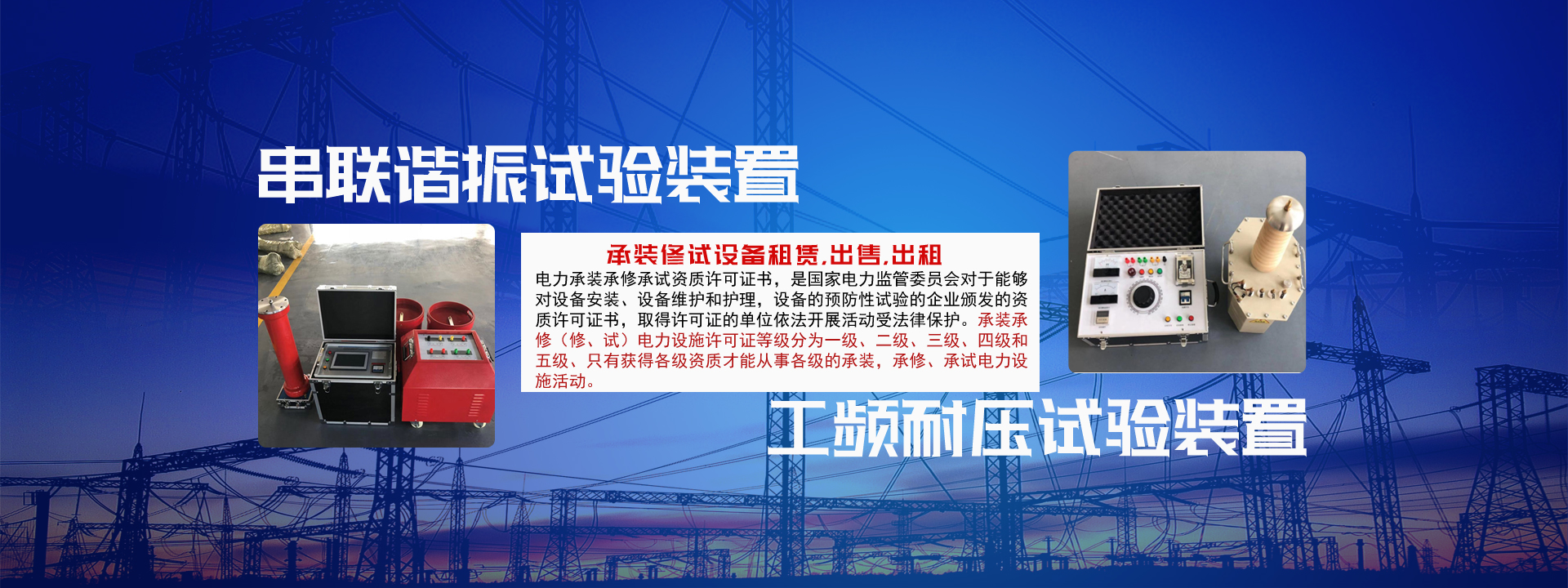
(including current transformers CT and voltage transformers PT). This type of tester is crucial for ensuring the accuracy and reliability of transformers in power systems. Below is a detailed article about transformer characteristic testers.
Overview of Transformer Characteristic Tester
A transformer characteristic tester is a specialized instrument used to test the accuracy, stability, and other electrical characteristics of transformers. Transformers are key components in power systems used for measuring current or voltage, and their role is to provide safe and reliable measurement signals in high-voltage or high-current environments for metering, protection, and control.
Main Functions
Accuracy Testing: Verifies the measurement accuracy of transformers to ensure they work accurately within their nominal range.
Ratio Error and Phase Error Testing: Measures the ratio error and phase error of transformers, which are important indicators for evaluating transformer accuracy.
Polarity Testing: Checks whether the polarity of the transformer is correct to prevent measurement errors caused by reverse polarity connection.
Load Characteristic Testing: Evaluates the performance of transformers under different load conditions.
Temperature Effect Testing: Tests the stability of transformers under different temperature conditions.
Withstand Voltage Test: Ensures that the insulation performance of transformers meets safety standards.
Working Principle
The transformer characteristic tester works by applying known current or voltage signals to the transformer and measuring the output signals of the transformer. The instrument typically includes a signal source, a measurement unit, and a control unit. The signal source is used to generate standard current or voltage signals; the measurement unit is responsible for receiving and measuring the output signals of the transformer; the control unit coordinates the entire testing process and displays or records the test results.
Application Scenarios
Factory Inspection: Ensures that the electrical characteristics of each product meet standards during the production process of transformers.
On-site Calibration: Performs on-site calibration before or after the installation of transformers into the power system to ensure their performance meets requirements.
Maintenance and Repair: Regularly tests transformers in operation to promptly identify and resolve issues.
Fault Diagnosis: When transformers malfunction, the tester is used to identify the cause of the fault.
Technical Features
High-precision Measurement: Uses high-precision sensors and A/D converters to ensure the accuracy of test results.
Multi-function Integration: A single device can perform multiple testing tasks, improving work efficiency.
High Automation: Has automatic testing functions to reduce human errors.
Data Management: Supports data storage and analysis, facilitating later maintenance and troubleshooting.
Usage Steps
Preparation: Ensure that the transformer is de-energized and take protective measures according to safety regulations.
Connecting the Tester: Correctly connect the tester to the transformer according to the operation manual.
Setting Parameters: Set the corresponding test parameters, such as current or voltage levels, according to the testing requirements.
Executing the Test: Start the tester, perform the test according to the predetermined procedure, and record data.
Analyzing Results: Evaluate the performance of the transformer based on the test results and provide corresponding maintenance or adjustment recommendations.
Development Trends
With the continuous development of power systems and technological progress, transformer characteristic testers are also constantly improving. Future testers will be more intelligent and have the following features:
Wireless Communication: Achieves remote monitoring and data transmission through wireless technology.
Cloud Computing: Utilizes cloud resources for big data analysis, providing more in-depth test reports.
Artificial Intelligence: Uses AI technology for fault prediction and diagnosis, improving maintenance efficiency.
Conclusion
Transformer characteristic testers are crucial for the safe and stable operation of power systems. By regularly using such devices for testing, not only can the normal operation of transformers be ensured, but potential problems can also be identified and resolved in a timely manner, thereby extending the service life of equipment and improving the overall efficiency of the power grid. With continuous technological advancement, these testers will become more efficient, convenient, and better able to meet the needs of future power systems.