
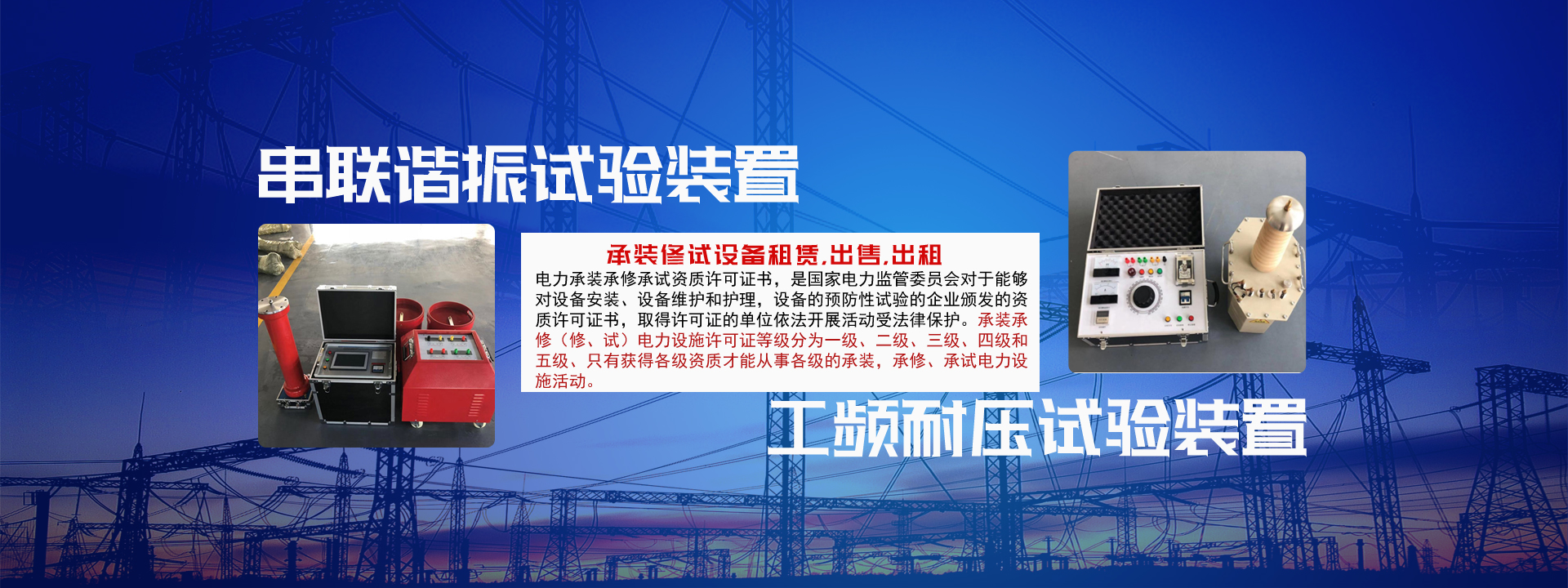
As a key device in the power system, the performance of transformers directly affects the safe and stable operation of the power grid. With the increasing requirements for reliability in the power system, regular detailed testing of transformers has become increasingly important. As a professional testing device, the transformer characteristic test bench can comprehensively evaluate various performance indicators of transformers, making it a core tool to ensure power transmission efficiency and equipment safety.
II. Definition and Importance of Transformer Characteristic Test Bench
The transformer characteristic test bench is a device specifically designed to detect various electrical characteristics of transformers. It can conduct a comprehensive evaluation of transformer performance through a series of standardized testing procedures. These tests include but are not limited to no-load tests, load tests, impedance voltage measurement, winding resistance measurement, insulation performance tests, etc.
Through these tests, it can be ensured that transformers maintain good performance under different working conditions, detect and handle potential faults in a timely manner, thereby extending equipment life and improving the overall efficiency and reliability of the power system.
III. Main Functions and Applications
1. No-load Test
Purpose: Measure the input power and output voltage of the transformer under no-load conditions (i.e., secondary side open circuit) to evaluate its no-load loss.
Significance: Understand the iron loss situation of the transformer, ensuring it does not overheat and affect service life when there is no load.
2. Load Test
Purpose: Simulate the working condition of the transformer under full load or partial load, measuring its load loss and efficiency.
Significance: Verify the efficiency and stability of the transformer in actual operation, ensuring it can meet design requirements.
3. Impedance Voltage Measurement
Purpose: Determine the impedance voltage ratio between the primary and secondary sides of the transformer, which is an important parameter for evaluating the short-circuit capability of the transformer.
Significance: Used to calculate the voltage drop of the transformer under short-circuit conditions, which is crucial for the design of protection devices.
4. Winding Resistance Measurement
Purpose: Detect the resistance value of transformer windings to determine if there is a short circuit or open circuit.
Significance: Ensure good electrical connections between transformer windings, avoiding safety hazards caused by poor contact.
5. Insulation Performance Test
Purpose: Check the insulation performance of the transformer to ensure there is no risk of insulation damage.
Significance: Prevent short-circuit faults caused by insulation failure, ensuring the safe operation of the power system.
IV. Operation and Usage
Using the transformer characteristic test bench for testing generally follows the following steps:
Preparation: Ensure the transformer under test has been de-energized and discharged according to regulations.
Connecting test leads: Correctly connect the various terminals of the transformer according to the requirements in the test bench manual.
Setting parameters: Set corresponding test parameters according to the different test items.
Executing tests: Start the test program, wait for the test results to stabilize, and record data.
Data analysis: Compare test results with standard values or historical data to analyze the working condition of the transformer.
V. Selection and Maintenance Recommendations
When selecting a transformer characteristic test bench, the following aspects should be considered:
Measurement accuracy: Ensure the equipment has high precision to obtain reliable test results.
Complete functions: The test bench should cover all necessary test items.
Easy operation: User-friendly interface, easy to understand and operate.
Maintenance support: Choose a brand that provides good after-sales service and technical support.
VI. Future Outlook
With the continuous development of the power industry and technological progress, future transformer characteristic test benches will become more intelligent and automated. New technologies such as the Internet of Things (IoT), Artificial Intelligence (AI), and big data analysis will be integrated into testing equipment, making transformer monitoring and maintenance more efficient and precise.
By regularly using the transformer characteristic test bench for testing, not only can the efficiency of power transmission be improved, but potential faults in the power system can also be effectively prevented, ensuring the safe and stable operation of the power grid. For power enterprises, investing in advanced transformer characteristic test benches is a long-term and wise choice.