
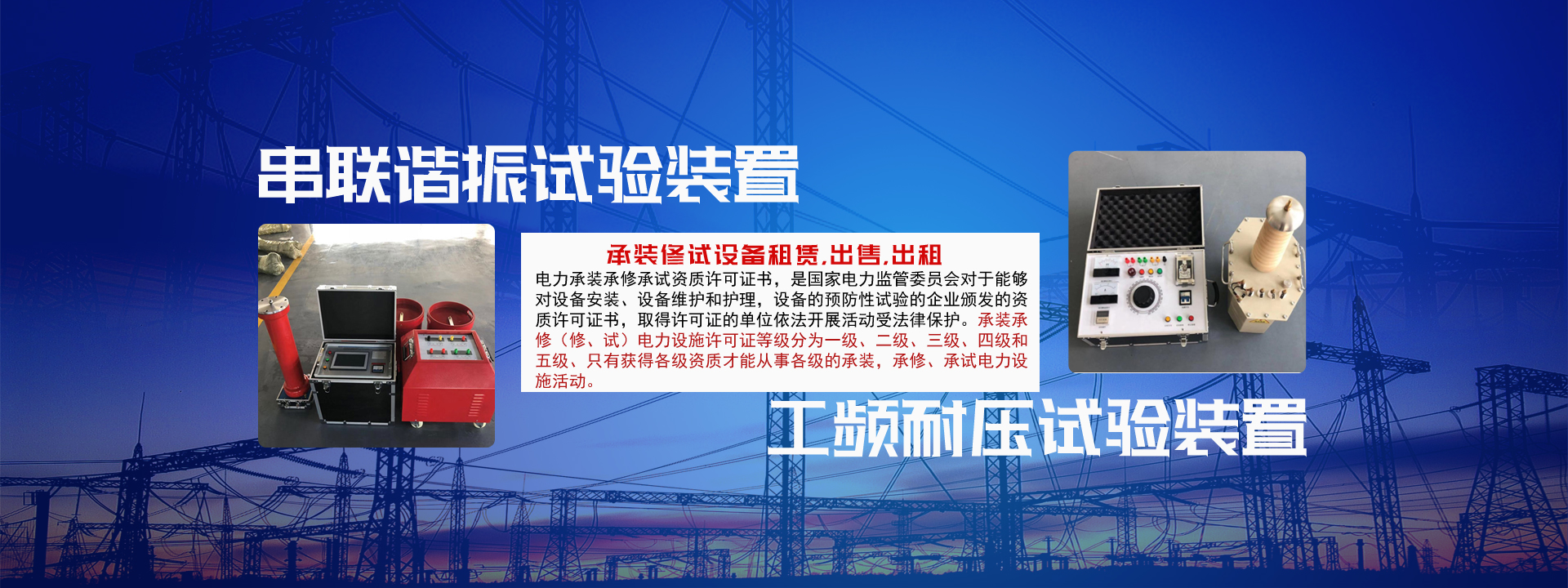
In the process of testing, commissioning, and maintenance of power systems, the Electrical Characteristics Control Panel plays a crucial role. This type of equipment can not only comprehensively test various performance parameters of power equipment but also adjust the equipment when necessary to ensure it maintains optimal condition under various operating conditions.
Functions and Applications
The Electrical Characteristics Control Panel typically integrates multiple functional modules to meet the testing needs of different types of power equipment. Its main functions include but are not limited to:
Transformer Ratio Test: Used to detect whether the voltage transformation ratio of equipment such as transformers meets expectations.
Impedance Measurement: Evaluates the electrical performance of equipment by measuring its impedance value.
Harmonic Analysis: Analyzes harmonic components in the power system to assess power quality.
Relay Protection Calibration: Verifies the operating characteristics of relay protection devices to ensure they respond correctly in the event of a fault.
Insulation Resistance Test: Checks the insulation performance of equipment to prevent failures caused by poor insulation.
In addition, the Electrical Characteristics Control Panel is commonly used for comprehensive testing of electrical devices such as power cables, switchgear, and generators.
Working Principle
The working principle of the Electrical Characteristics Control Panel is based on measuring and analyzing the electrical parameters of electrical equipment. By connecting the equipment under test, the control panel can apply specific voltage and current signals, and collect data through built-in sensors, meters, and other components. Subsequently, the built-in calculation and analysis software processes the collected data to obtain results for various performance indicators.
Technical Features
With the advancement of technology, modern Electrical Characteristics Control Panels have the following features:
High-Precision Measurement: Utilizes advanced sensing technology and precision measuring instruments to ensure accurate and reliable test data.
Multi-Function Integration: A single device can complete multiple testing tasks, simplifying the testing process.
High Level of Automation: Supports automatic test modes, reducing human errors and improving testing efficiency.
Data Management: Equipped with data storage and analysis capabilities, facilitating future reference and report generation.
Usage Precautions
To ensure the effective use of the Electrical Characteristics Control Panel, operators should pay attention to the following:
Professional Training: Receive relevant training before use to become familiar with the equipment's operating procedures and technical specifications.
Safety Protection: During testing, personal protective equipment such as insulating gloves and insulating boots must be worn, and the testing environment must meet safety requirements.
Environmental Monitoring: Avoid using the equipment in harsh environments such as humid or dusty conditions to prevent affecting the accuracy of test results.
Regular Calibration: To ensure the accuracy of measurement results, the control panel should be calibrated and maintained regularly.
Development Trends
As power systems develop towards intelligence and digitalization, the Electrical Characteristics Control Panel is also continuously innovating. Future Electrical Characteristics Control Panels will place greater emphasis on intelligent, portable, and integrated design concepts, striving to improve operational convenience and data processing capabilities while ensuring testing accuracy.
Conclusion
The Electrical Characteristics Control Panel is an indispensable tool in the testing and maintenance of power equipment. With continuous technological advancement, this type of equipment will become more efficient and precise, providing solid technical support for the safe and stable operation of power systems. At the same time, users should continuously enhance their professional skills to ensure the proper use and maintenance of the equipment.