
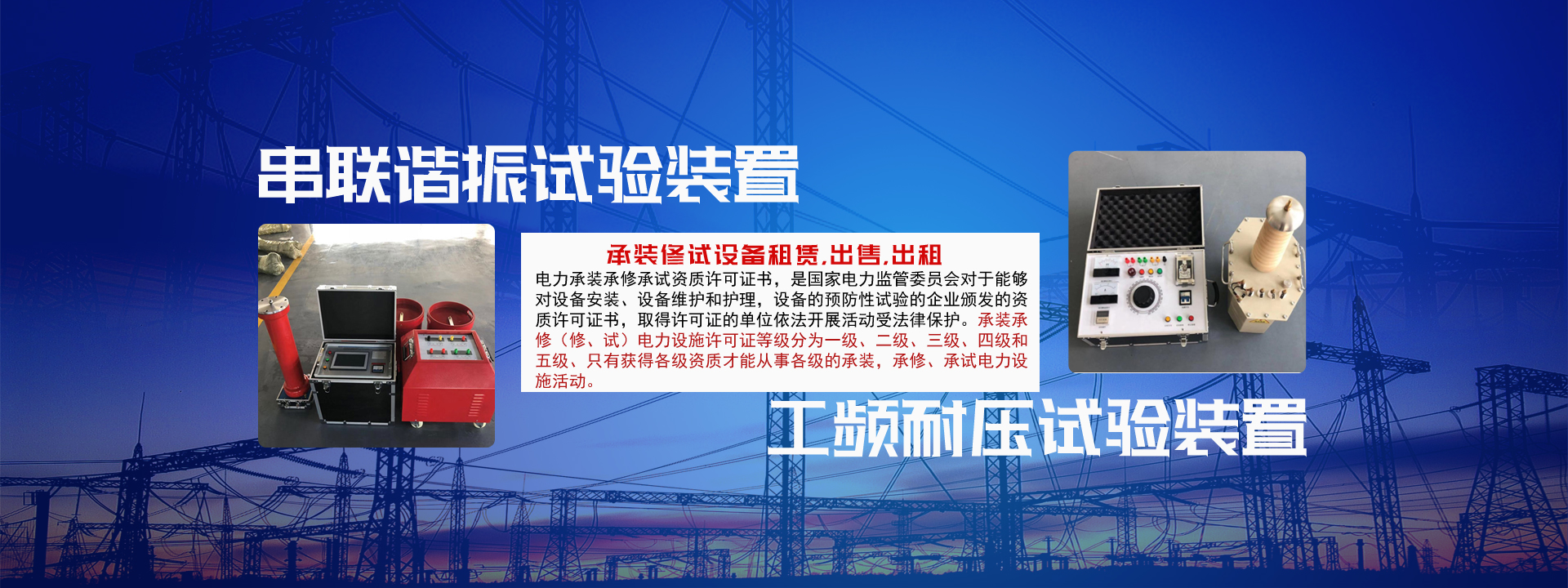
In modern industrial production, scientific research experiments, and automation systems, the electrical characteristics control console plays a crucial role. It is not only used for monitoring and adjusting the working status of electrical equipment but also enables precise control of complex systems. This article will detail the functional features, application fields, and importance of the electrical characteristics control console.
I. Functional Features
Multi-parameter Monitoring
The console integrates multiple sensor interfaces, allowing simultaneous monitoring of key parameters such as voltage, current, power, frequency, and temperature, and displays them in real-time to operators through an intuitive graphical interface.
Automatic Regulation
Built-in advanced regulation algorithms such as PID controllers can automatically adjust output based on preset target values, ensuring the system always operates in an optimal state.
Data Recording and Analysis
It possesses strong data acquisition and storage capabilities, supports long-term data recording, and provides functions such as trend analysis and fault diagnosis, helping users gain in-depth understanding of equipment performance.
Remote Control
It supports remote access and control via network connections, allowing engineers to monitor and manage on-site equipment from any location, improving response speed and work efficiency.
Safety Protection
Equipped with multiple safety protection mechanisms, such as overload protection, short-circuit protection, and ground fault detection, ensuring the safety of equipment and personnel.
Modular Design
Both hardware and software adopt a modular structure, facilitating expansion and upgrades to meet changing requirements in different application scenarios.
User-friendly Human-Machine Interaction
Equipped with high-resolution touch screens or keyboard/mouse input methods, it is easy to operate, has a user-friendly interface, supports multi-language switching, and adapts to international usage environments.
II. Application Fields
Industrial Automation: Used for motor drives, robot control systems, etc., on factory production lines, ensuring efficient and stable production processes.
Power Systems: Status monitoring and regulation of large electrical equipment such as generators and transformers in substations and power plants.
Scientific Research Experiments: Electronic test platforms, physics experiment devices, etc., in laboratories, providing precise electrical parameter measurement and control means for scientific research.
New Energy Development: In clean energy projects such as solar photovoltaic and wind power generation, used for optimal configuration of components like battery management systems and inverters.
Automotive Manufacturing: In fields such as electric vehicle charging stations and on-board power management systems, ensuring the reliability and safety of vehicle electrical systems.
Medical Equipment: Life support systems, imaging diagnostic equipment, etc., in hospital operating rooms and ICU wards, safeguarding patients' life and health.
III. Importance and Advantages
Improving Efficiency: Through centralized management and automated operation, manual intervention is reduced, enhancing overall operational efficiency.
Enhancing Reliability: Precise parameter control and real-time monitoring help detect and resolve issues promptly, avoiding losses caused by unexpected downtime.
Optimizing Costs: Reasonable parameter settings reduce energy consumption, extend equipment lifespan, thereby saving operational costs.
Compliance with Standards: Ensures electrical installations meet relevant national and international standards, safeguarding public safety.
Promoting Innovation: Provides a reliable experimental platform for the development of new technologies, driving technological progress and development in the industry.
IV. Selection and Usage Precautions
Application Scope Assessment
Before purchase, it is necessary to fully consider the specific application scenarios and technical requirements, and select the most suitable product model.
Precision Requirements
For some high-demand applications, instruments with higher precision and resolution should be selected.
Operation Training
Provide necessary skill training to operators to ensure they are familiar with equipment operation procedures and emergency handling methods.
Regular Maintenance
Regularly inspect and maintain the console and related equipment according to the manufacturer's guidelines to extend service life.
Software Updates
Install the latest firmware and application patches promptly to maintain system advancement and stability.
V. Technological Innovation and Development
With the advancement of technology, modern electrical characteristics control consoles are developing in the following directions:
Intelligence: Introducing artificial intelligence algorithms to further improve fault prediction accuracy and service quality.
IoT Integration: Utilizing IoT technology to achieve interconnection between devices, building a more complete ecosystem.
Visualized Management: Developing three-dimensional virtual reality platforms, enabling managers to view the entire system layout and equipment working status in a virtual environment.
Green and Energy-saving: Promoting the use of new energy technologies and high-efficiency energy-saving equipment, reducing carbon emissions, and promoting sustainable development.
VI. Case Studies
To better understand the application value of electrical characteristics control consoles, we can refer to the following practical cases:
A semiconductor manufacturing enterprise: By deploying high-performance electrical characteristics control consoles, precise control of environmental factors such as temperature, humidity, and pressure difference in the cleanroom was achieved, significantly improving product quality.
Wind farm operation and maintenance management: Using the console to comprehensively monitor various electrical parameters of wind turbines, several potential issues were identified and promptly repaired, significantly improving power generation efficiency and system reliability.
Conclusion
In summary, as an important tool in modern industrial production and scientific research, the electrical characteristics control console plays an irreplaceable role in improving efficiency and enhancing reliability. Facing increasingly complex application demands and technical challenges, continuously paying attention to the latest developments in this field will help us better address future challenges and ensure the stable operation of systems across various industries.