
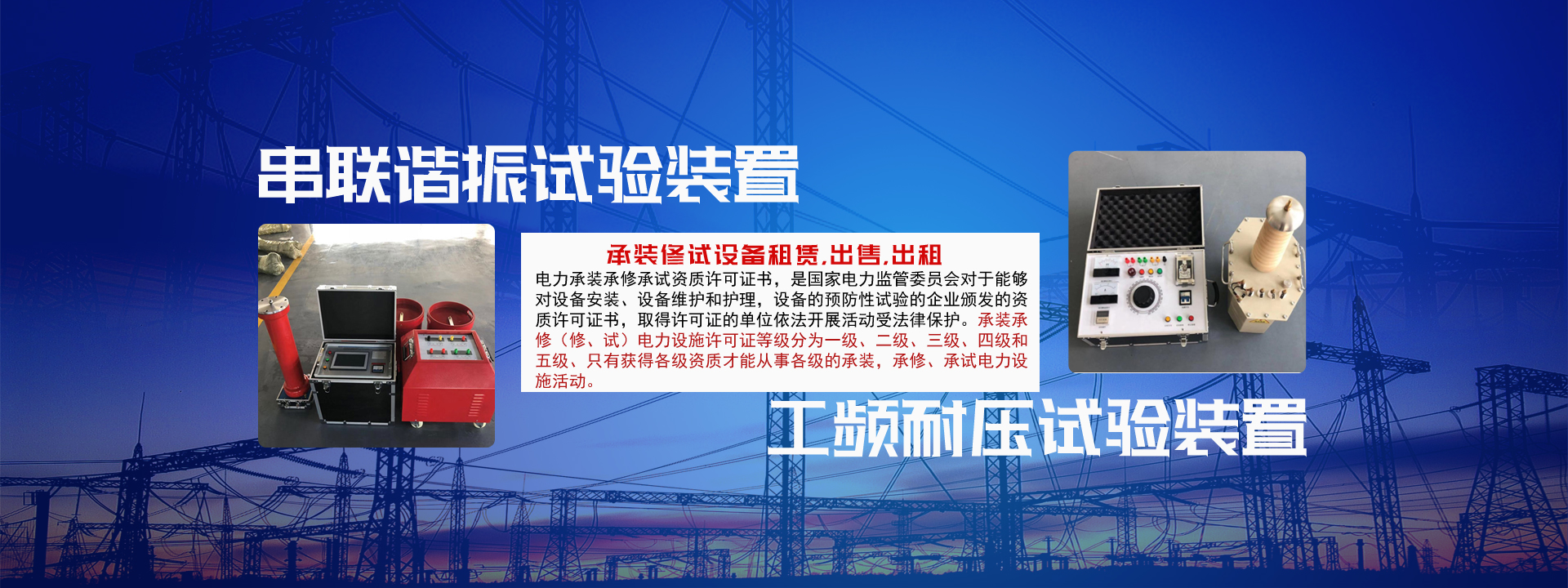
An electrical characteristics console is a broad concept that can refer to various types of control devices, mainly used to manage and control various parameters in electrical systems to ensure normal operation and safety. Such consoles typically integrate multiple functions, such as data acquisition, display, alarm, control output, etc., and are widely used in industrial automation, power systems, transportation, and other fields that require centralized monitoring and management of electrical equipment.
Functions of the Electrical Characteristics Console
An electrical characteristics console typically includes the following functions
Data Acquisition: Collects information from various sensors, such as current, voltage, temperature, pressure, etc.
Data Display: Visually presents the collected data through display screens or indicator lights.
Alarm System: Issues warning signals when parameters exceeding preset ranges are detected.
Control Output: Sends control signals to actuators, such as motors and valves, to adjust system status.
Communication Interface: Provides interfaces with external devices or systems, supporting data exchange and remote control.
Programming and Setting: Allows users to set parameters, such as alarm thresholds and control logic, as needed.
Application Scenarios
The applications of electrical characteristics consoles are extensive, with specific scenarios including but not limited to:
Industrial Automation: Used for equipment control on factory production lines, such as PLC (Programmable Logic Controller) consoles.
Power Systems: Relay protection devices in substations, distribution automation terminals, etc.
Transportation: Railway signal control systems, airport ground equipment management, etc.
Building Automation: HVAC (Heating, Ventilation, and Air Conditioning), lighting, security systems, etc., within buildings.
Advantages
Improved Efficiency: Centralized control reduces the need for manual intervention, enhancing production efficiency.
Enhanced Safety: Automated monitoring and control mechanisms can promptly detect and handle abnormal situations, reducing accident risks.
Energy Saving and Emission Reduction: Optimizes system operation status, reducing unnecessary energy waste.
Easy Maintenance: The integrated platform makes equipment maintenance more convenient, lowering maintenance costs.
Development Trends
With the development of technologies such as the Internet of Things (IoT), big data, and artificial intelligence, electrical characteristics consoles are moving towards more intelligent, networked, and personalized directions. Future consoles will not only be limited to local control but will also support remote monitoring and management, enabling data sharing and analysis through cloud platforms to provide users with more comprehensive services and support.
Conclusion
As the "brain" of electrical systems, the electrical characteristics console plays an important role in various aspects of modern society. With technological advancements, these devices will become more intelligent, efficient, and easier to integrate into larger system architectures, thereby better serving the needs of various industries. For users, understanding the basic principles and applications of these devices is very beneficial, helping them manage and maintain their electrical systems more effectively.